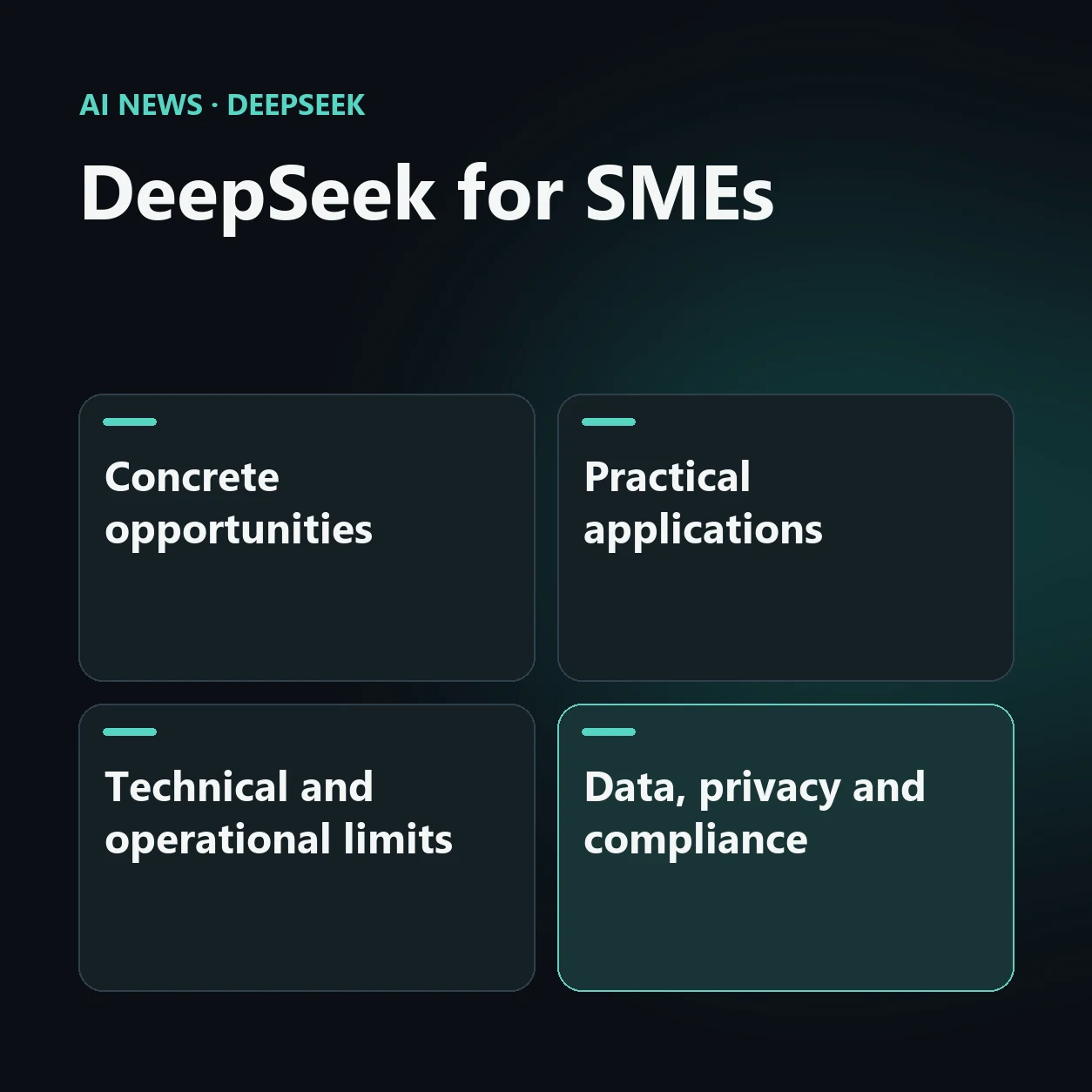
DeepSeek for SMEs is the use of a Chinese open-source language model, also accessible via API at low cost, to automate text and data analysis tasks within a small or medium-sized business. The interest stems from a mix of technological curiosity and economic pragmatism: many companies have heard of generative artificial intelligence but don’t want [...]
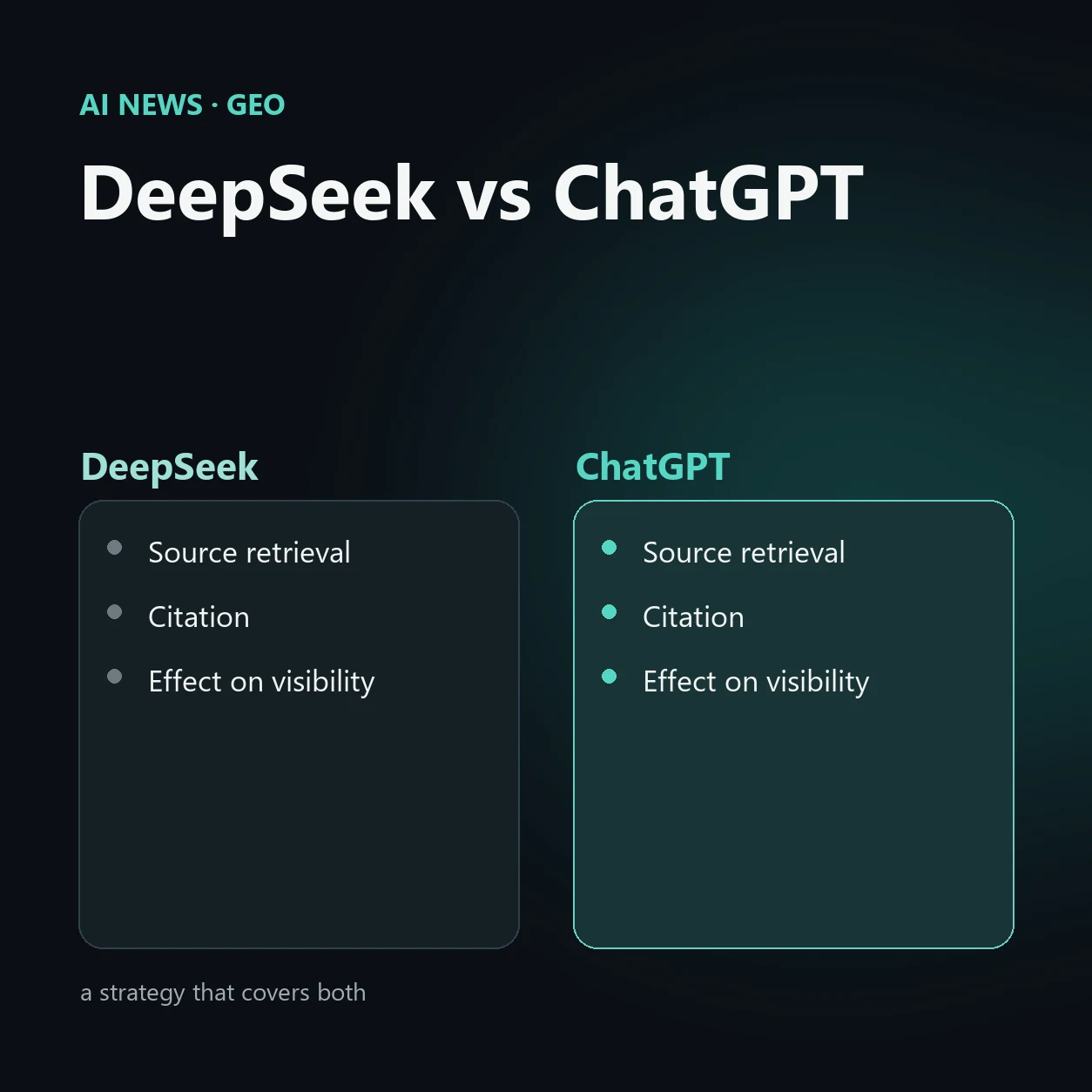
The DeepSeek vs ChatGPT comparison concerns two language models with different architectures, citation policies and ways of accessing sources, and these differences concretely change how a piece of content is retrieved, summarized and attributed in generative answers. For those working on digital visibility, the question is not which model is «better» in absolute terms, but [...]
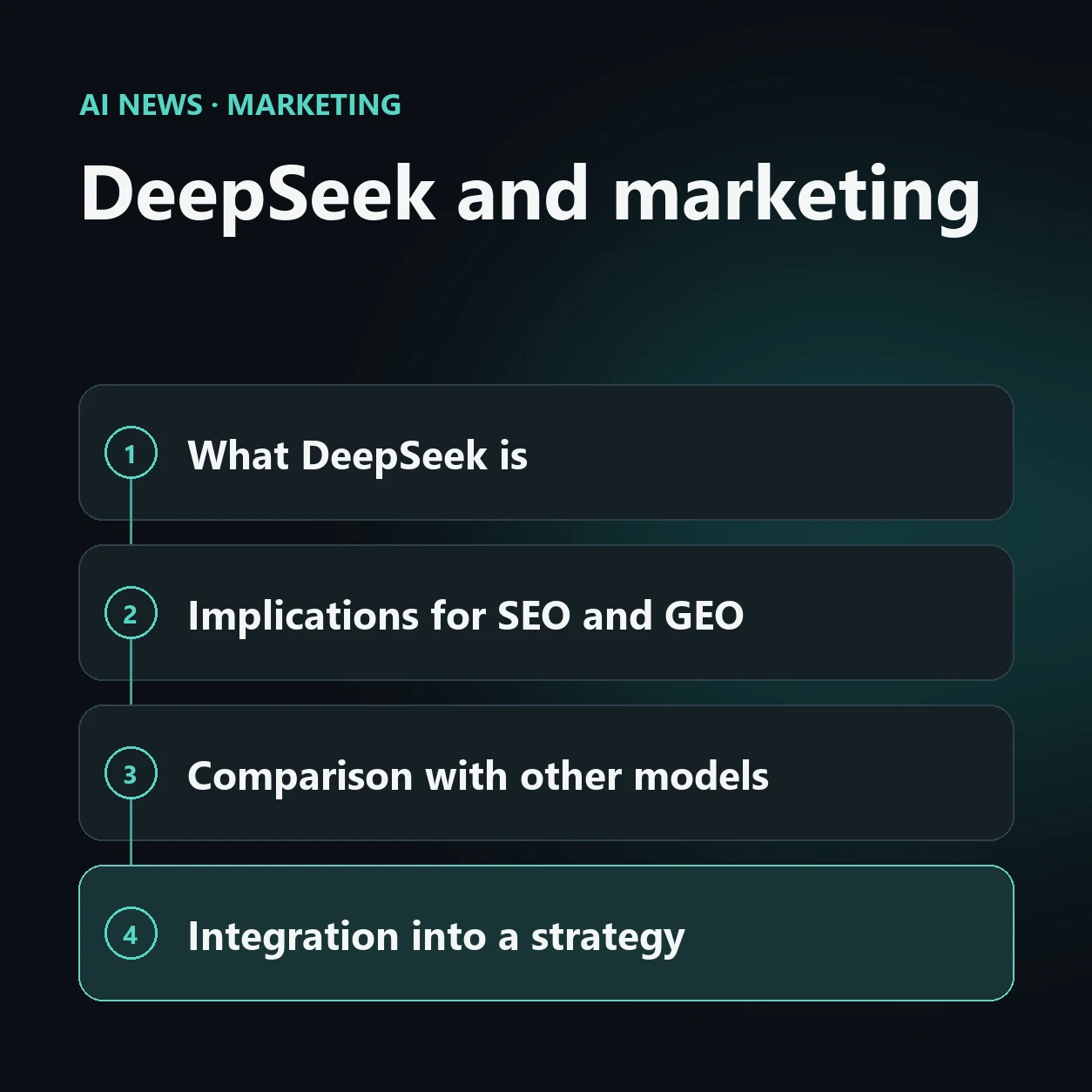
DeepSeek is a Chinese open-weight language model that is changing how companies evaluate costs, privacy and visibility strategies on generative search engines. In the daily debate on artificial intelligence and SEO, people almost always talk about OpenAI, Google or Anthropic, while DeepSeek stays at the margins of attention. Yet, for those working in marketing and [...]
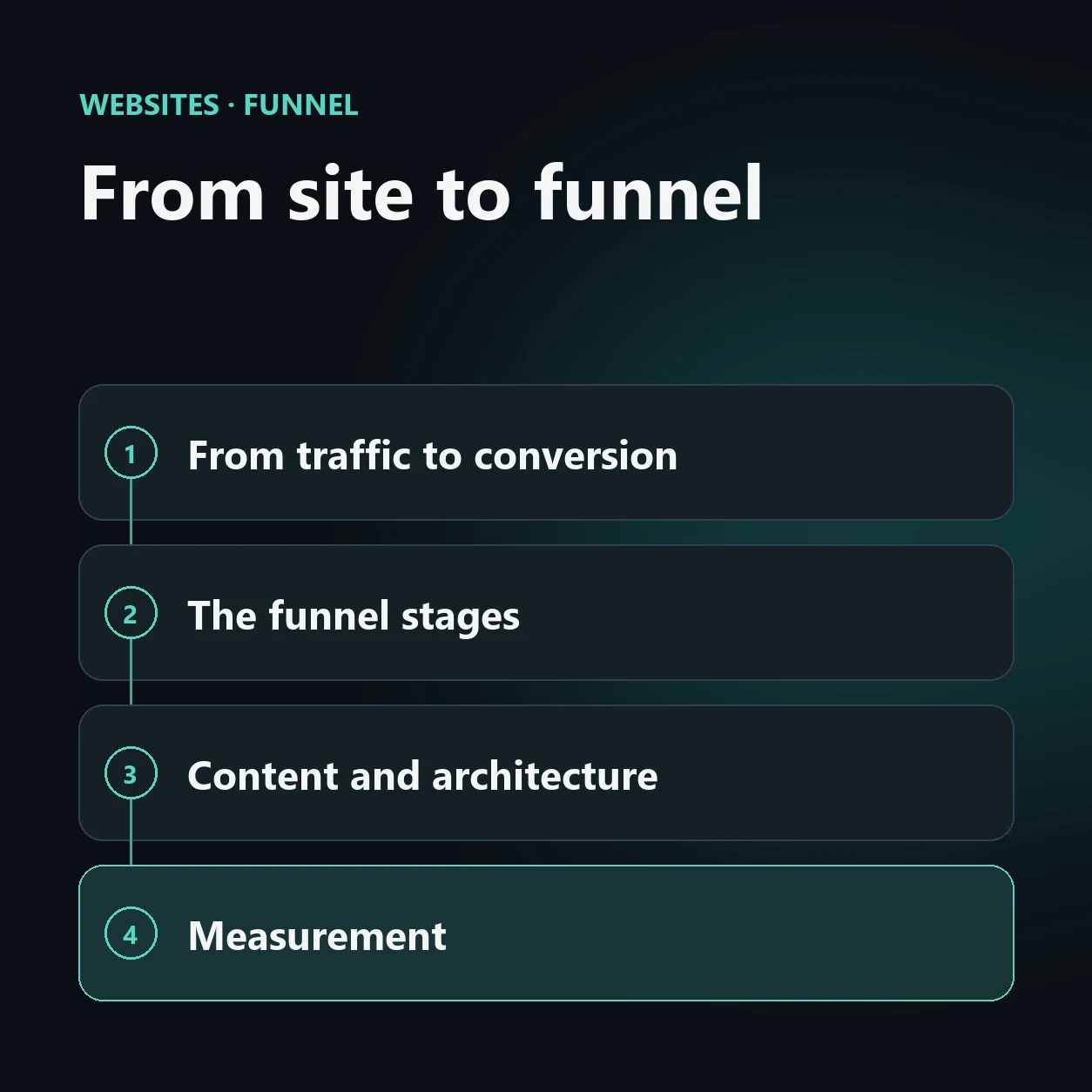
An acquisition funnel is the structured sequence of steps that guides a person from first contact with your brand to the desired action, whether a purchase, a quote request or a sign-up. Designing it well means stopping thinking of the site as a static showcase and starting to see it as a path with precise [...]
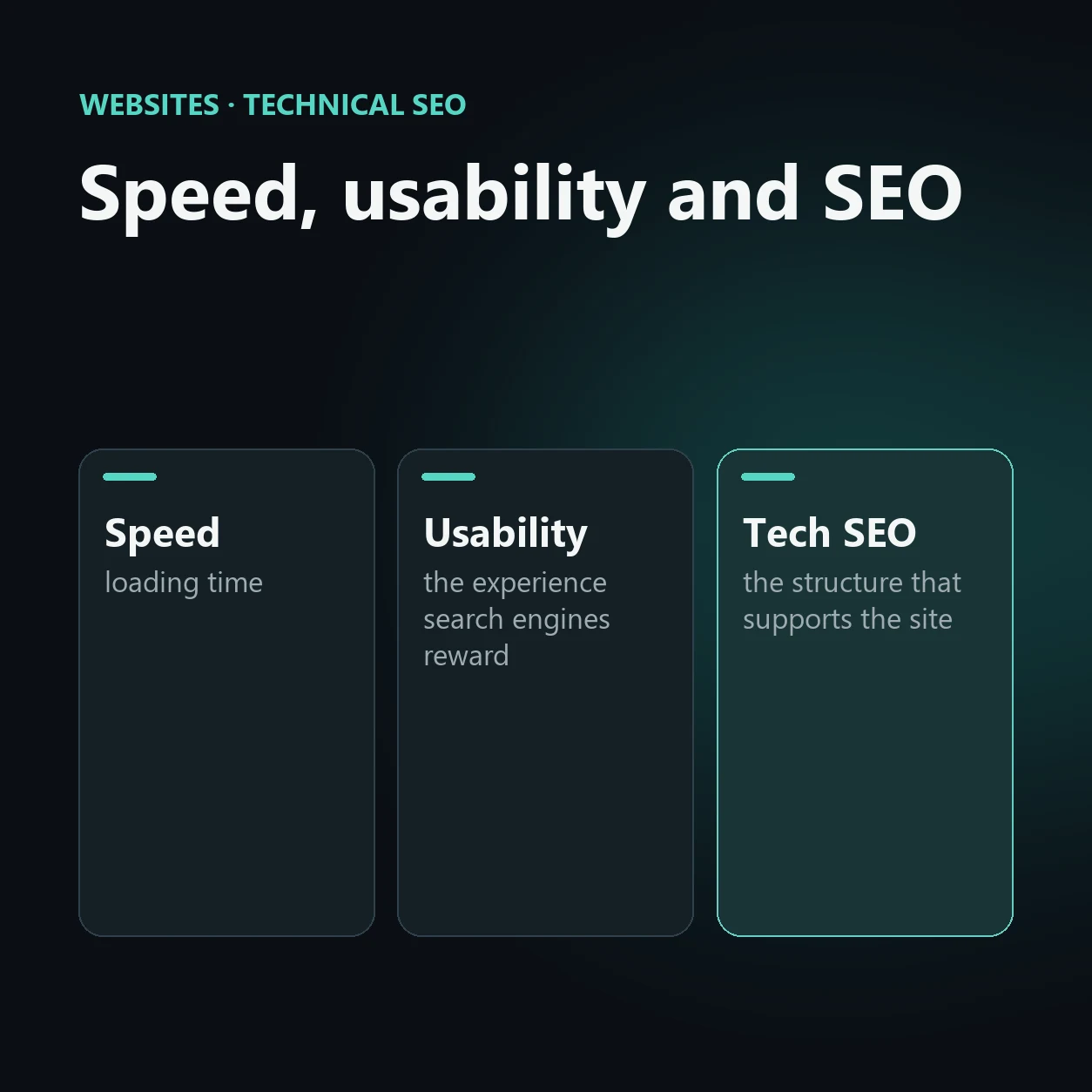
Speed, usability and SEO are the three technical pillars that determine whether a site is found, read and chosen by users and search engines. They are not separate areas to optimize at different times, but a single system: a slow site drives visitors away, a confusing interface disorients them, and a weak technical architecture prevents [...]
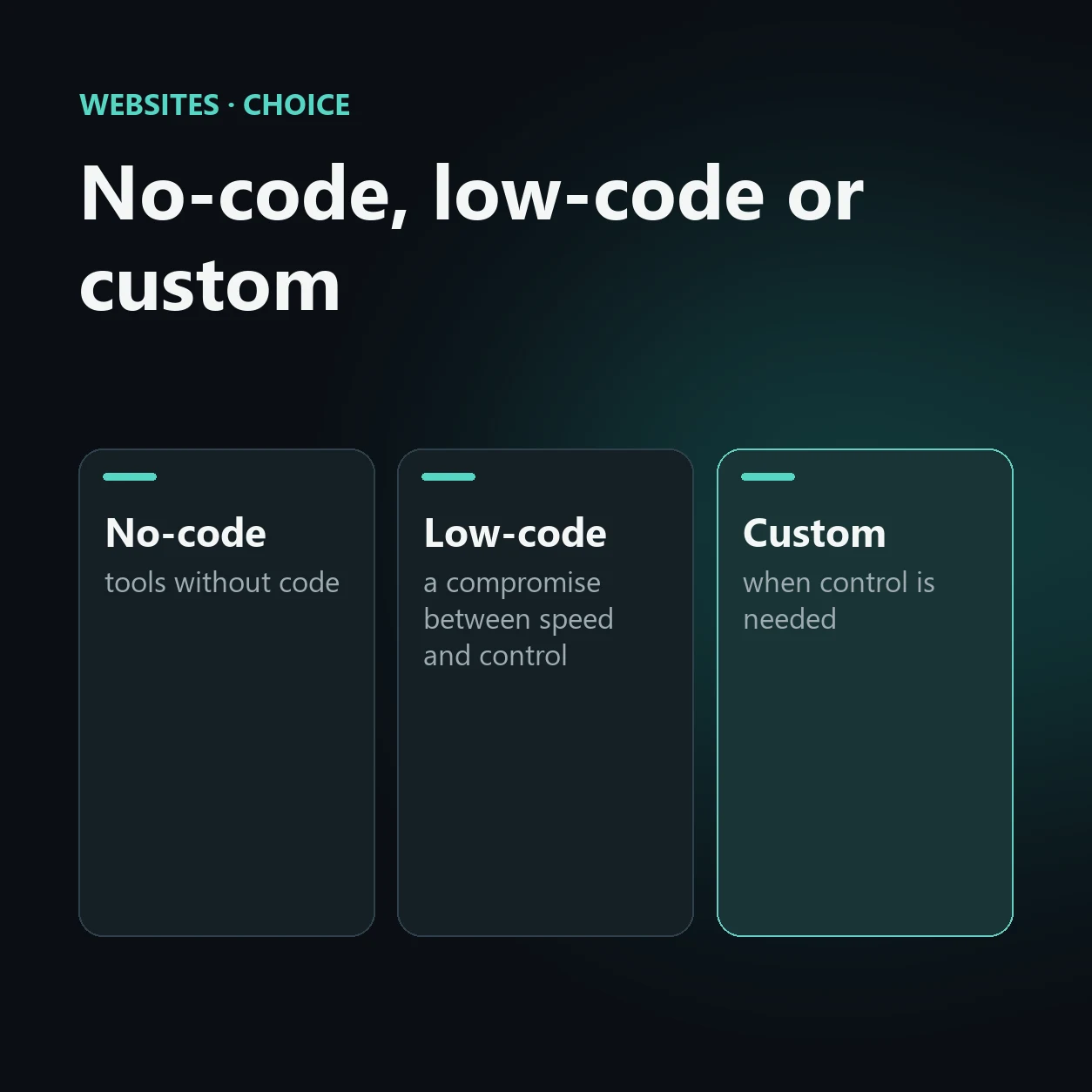
No-code website building is the approach that lets you build and manage a site through visual platforms, without writing code, while low-code and custom development are the alternatives when you need more control, integrations or tailor-made functionality. The choice between these three models is not a matter of fashion, but of objectives, in-house skills, budget [...]
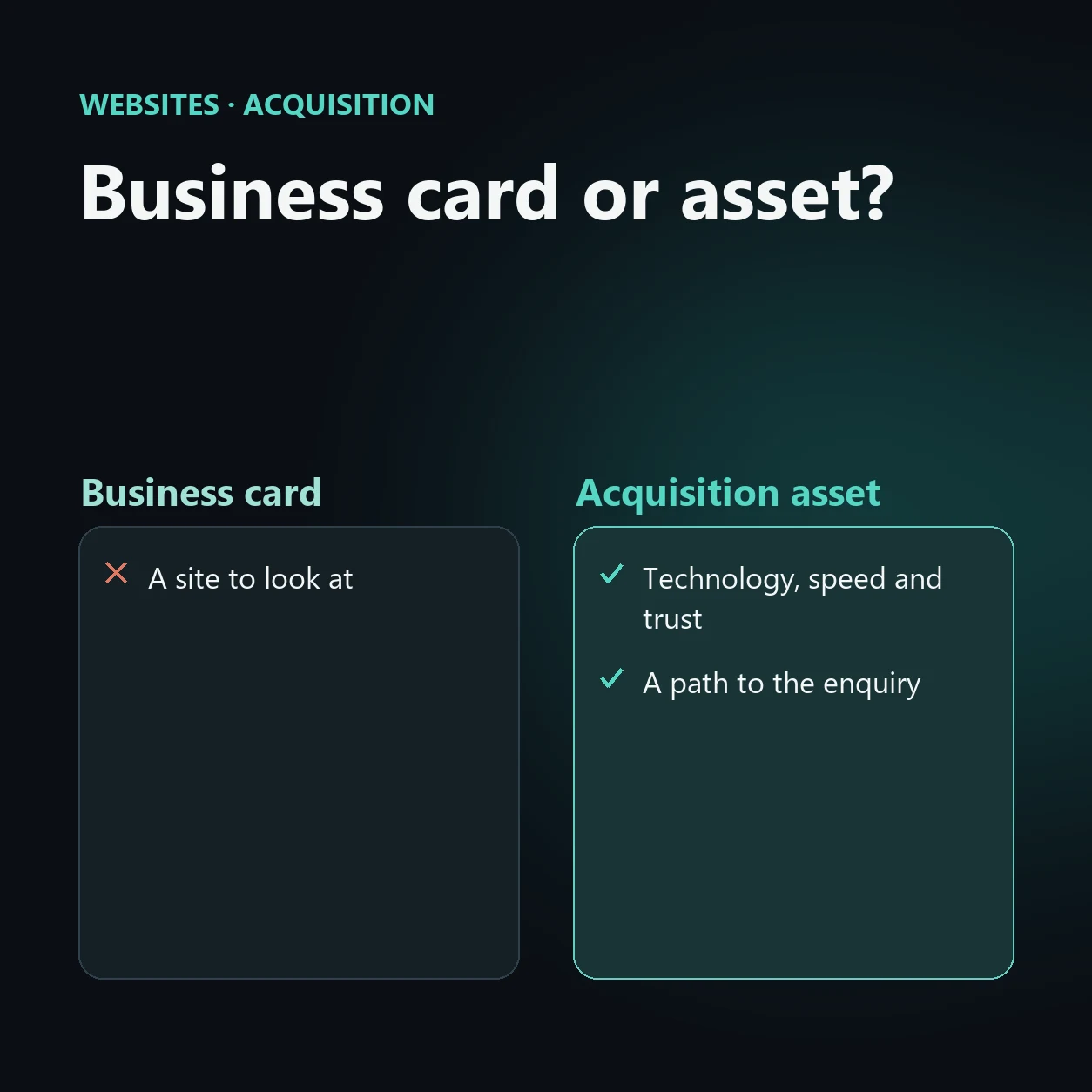
A website is not a digital business card: it is a customer acquisition asset that works for the company every day, even when nobody is actively looking after it. The difference between the two views is not terminological, but strategic: those who see the site as a static showcase invest once and forget it, those [...]
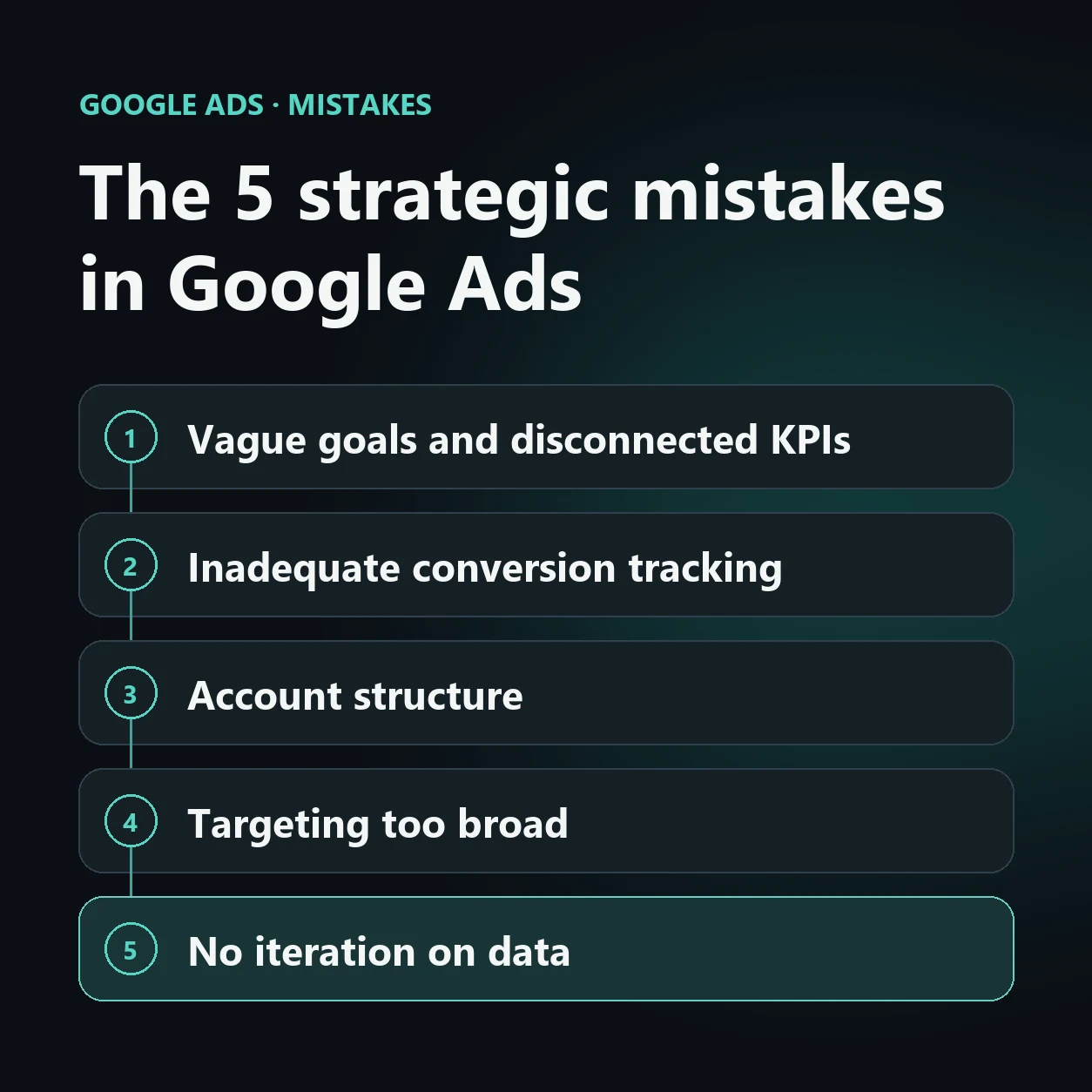
The most common Google Ads mistakes almost never originate from the platform, but from strategic choices made upstream. When a campaign brings no results, the temptation is to blame the algorithm, the budget or the competition. In most cases, however, the problem lies in a confusing account structure, in poorly defined objectives or in approximate [...]
Google Ads automation is the use of rules, scripts and software tools to manage repetitive or threshold-based activities programmatically, leaving strategic decisions to the manager. In recent years the platform has made increasingly powerful tools available: automated rules, Google Ads Scripts, Portfolio Bid Strategies and API integrations. The temptation is to automate everything that can [...]
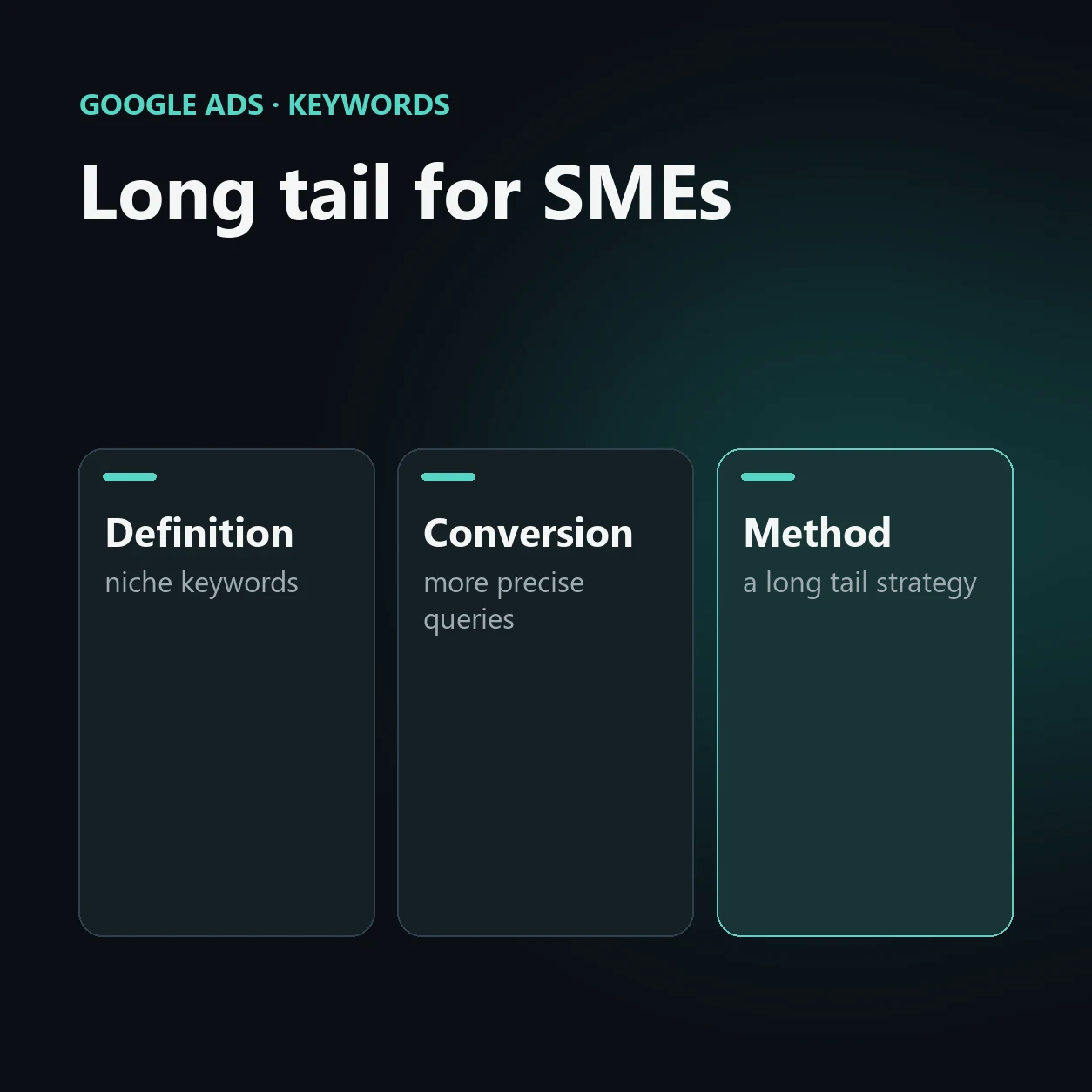
Long tail keywords for SMEs are very specific queries, often made up of three or more words, that generate limited search volume but a very clear purchase intent. While large companies fight over generic keywords, small and medium-sized businesses find in niche searches a competitive space where precision is worth more than volume. In this [...]

No intermediaries
No waiting:
write to me and I will answer in person.
A bit about me
SEO specialist. Analysis, strategy and hands-on work on the pages: I follow every project personally, from start to finish.
© Copyright 2026 | Website by Andrea Viggiano - Marketing Expert